


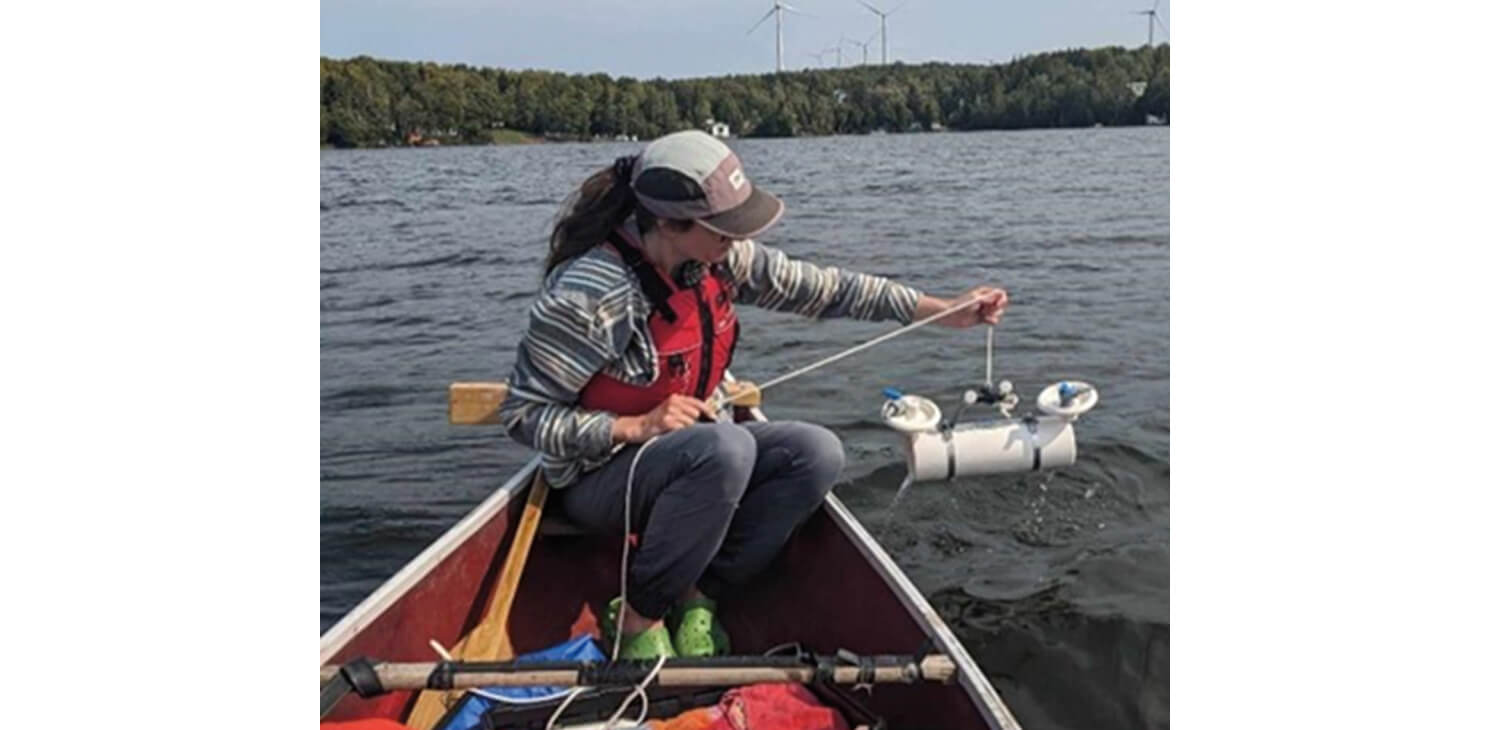




Saint-Mathieu Lake and Little Saint-Mathieu Lake, two interconnected bodies of water in the Bas-Saint-Laurent region, have experienced episodes of cyanobacterial blooms since 2006, negatively impacting recreational activities in the area. Traditional water quality monitoring, which relies primarily on measuring total phosphorus, chlorophyll a and transparency, made it possible to describe the lakes’ current state but not to track their evolution over time or clearly identify the processes driving their eutrophication.
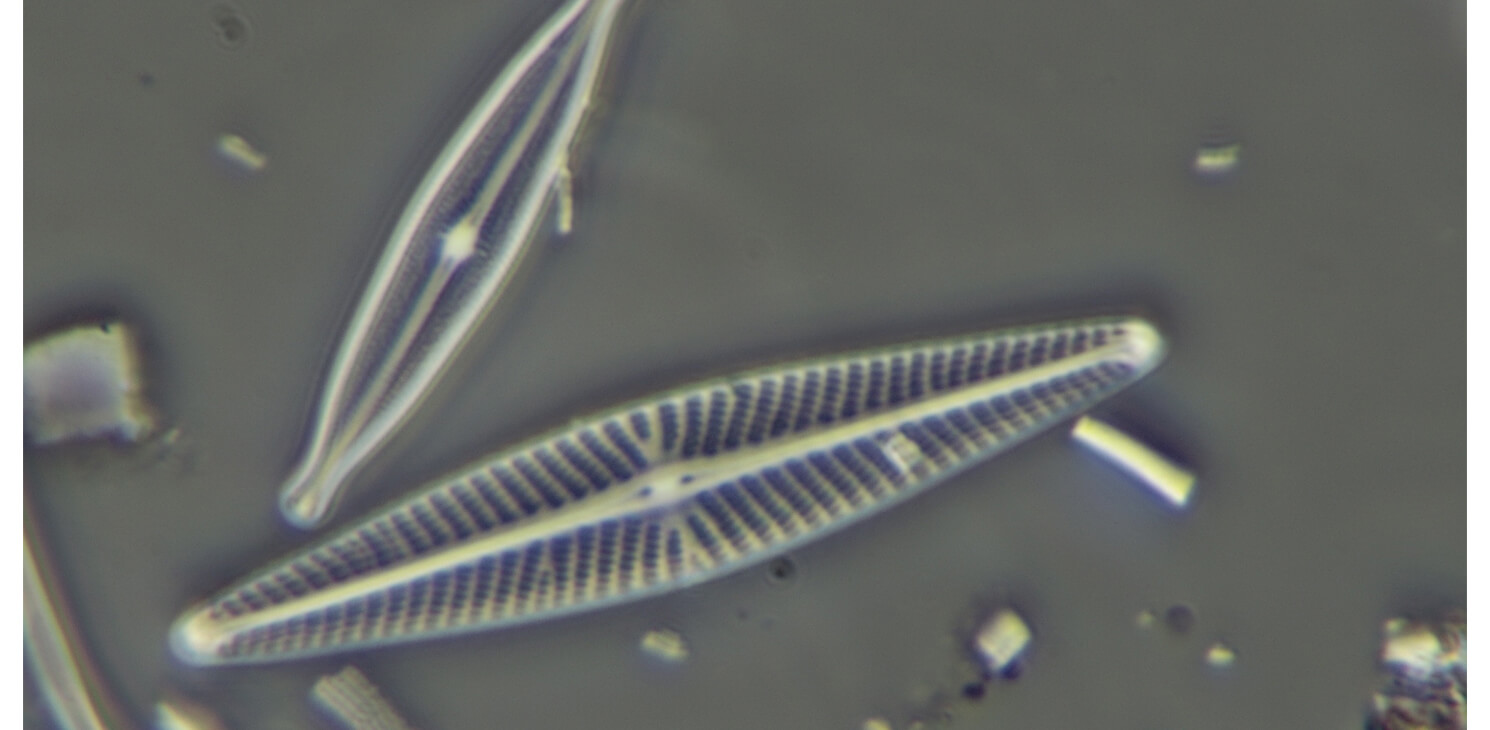
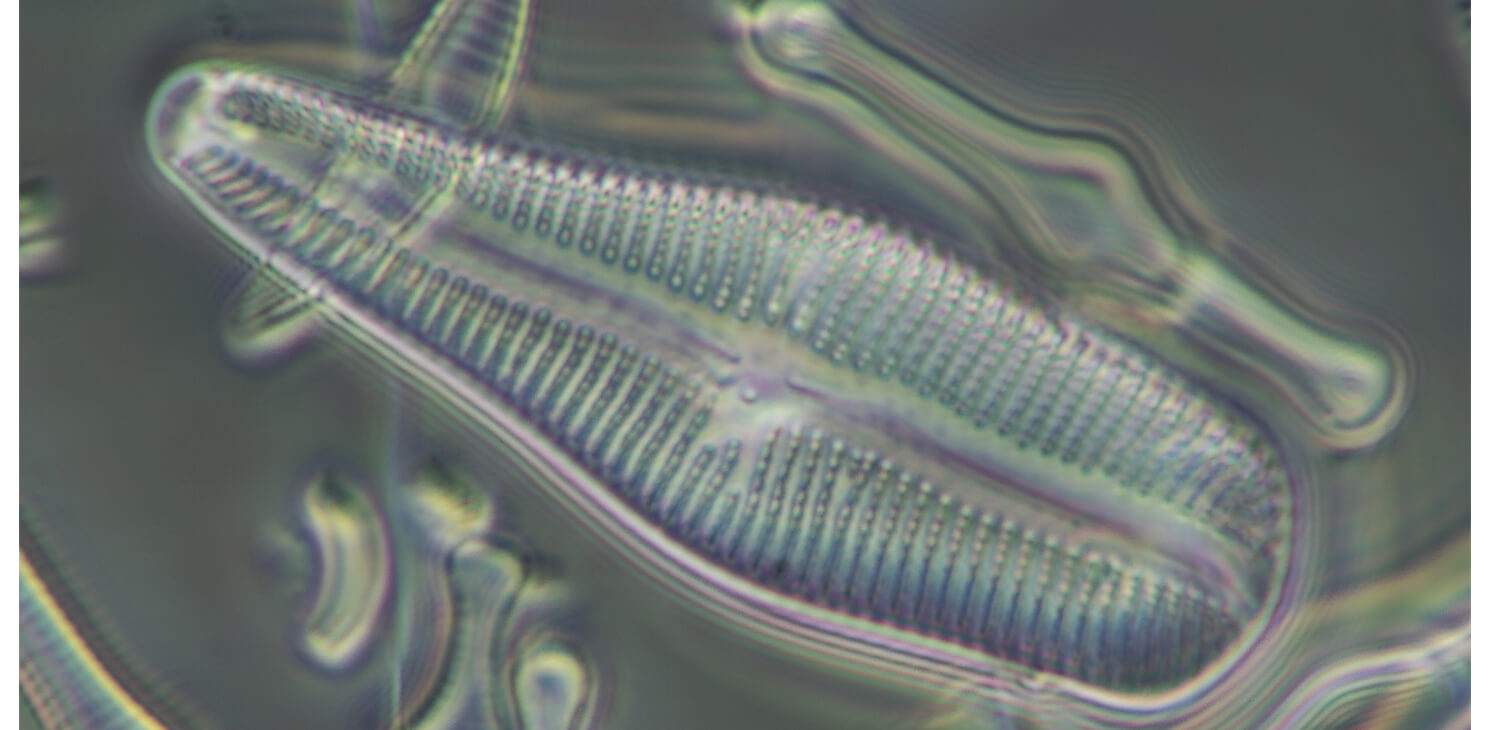
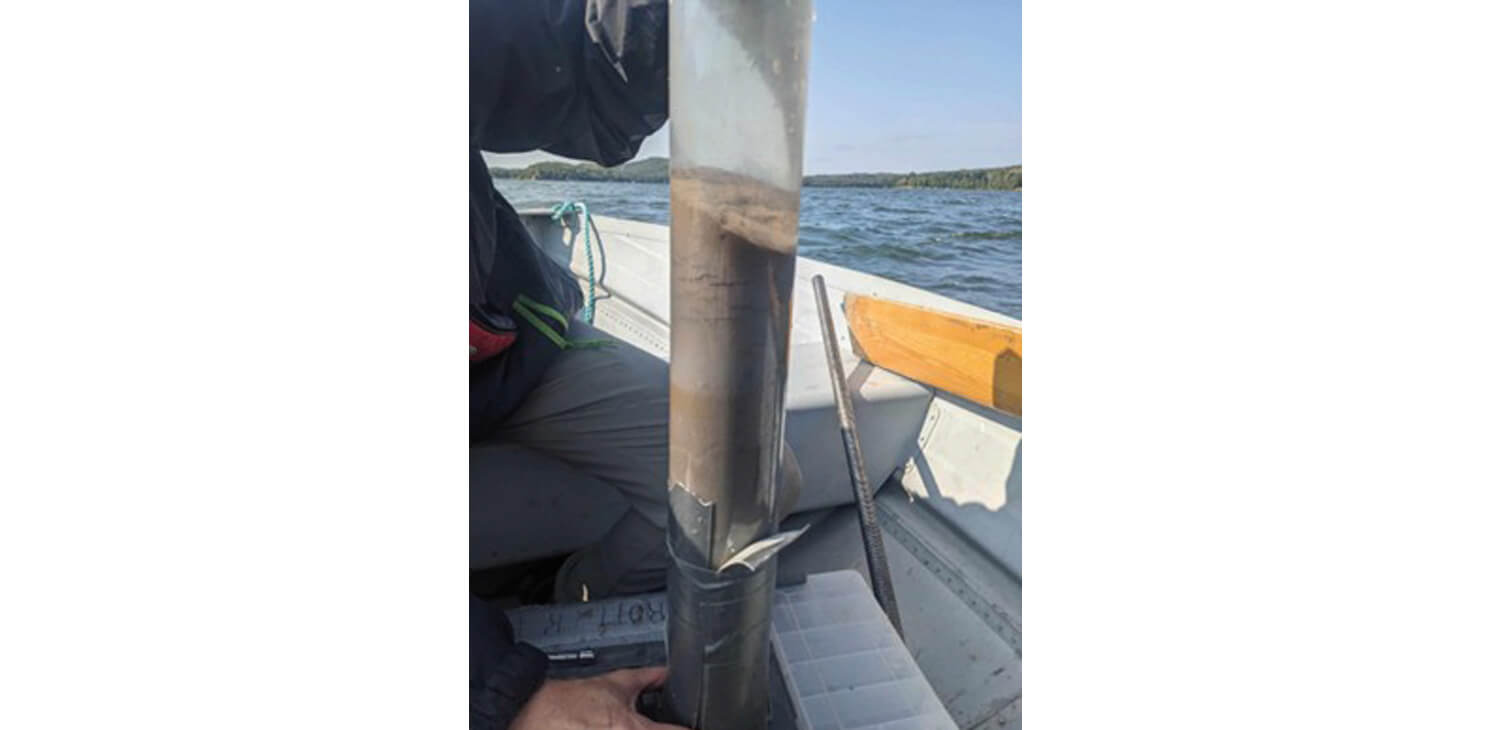
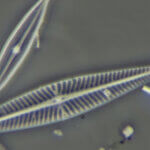
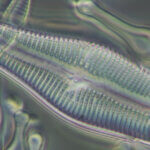
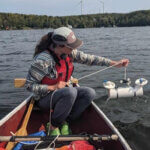
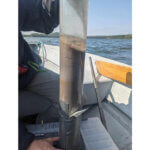
CIMA+ applied the MILQ method, an innovative, proprietary method, which uses diatoms as bioindicators of the lakes’ trophic status. These microalgae are particularly sensitive to the environmental conditions of their habitat, especially phosphorus concentrations. Analysis of living communities helps characterize a lake’s current state, while fossil diatoms preserved in sediments allow us to trace its evolution over several centuries. Sediment cores were thus collected and analyzed, and the results were interpreted using a statistical model developed based on 55 reference lakes in southern Québec covering varying degrees of eutrophication.
Tracing the evolution of the lakes to better understand their current state
By combining advanced knowledge of diatom ecology, specialized statistical analyses and the historical evolution of the watershed, the team was able to estimate phosphorus concentrations prior to human disturbances and compare them to current conditions. This approach revealed different trajectories: the condition of Saint-Mathieu Lake is gradually improving, while that of Little Saint-Mathieu Lake continues to deteriorate. Moreover, the analysis refuted the hypothesis that the larger lake was the main source of nutrient enrichment for the smaller lake.
Identifying the causes of eutrophication to guide interventions
The results indicate instead that the degradation of Little Saint-Mathieu Lake is primarily attributable to phosphorus that has accumulated in its sediments over time as a result of past land uses. By clarifying the source of the problem, the assessment helps direct resources toward the most appropriate interventions and avoid poorly targeted studies or corrective measures. The innovative method also makes it possible to establish a lake-specific quantitative phosphorus target based on the lake’s natural state, thereby providing a solid scientific basis for future restoration decisions.
Transforming a scientific method into a decision-making tool
Typically reserved for basic research, this approach is applied in professional practice exclusively by CIMA+. Its implementation requires specialized expertise in diatom identification, sediment core sampling and processing, laboratory analysis, and the
ecological and statistical interpretation of results. All of these steps are carried out by our experts, enabling CIMA+ to provide a comprehensive assessment and translate complex scientific data into clear findings for local stakeholders. The Saint-Mathieu Lakes project paves the way for a broader use of the method to support integrated lake management in Québec.
*MILQ: Méthode pour évaluer l’intégrité écologique des lacs tempérés du Québec